8011 H14 Aluminum Coil Sheet For ROPP Closures
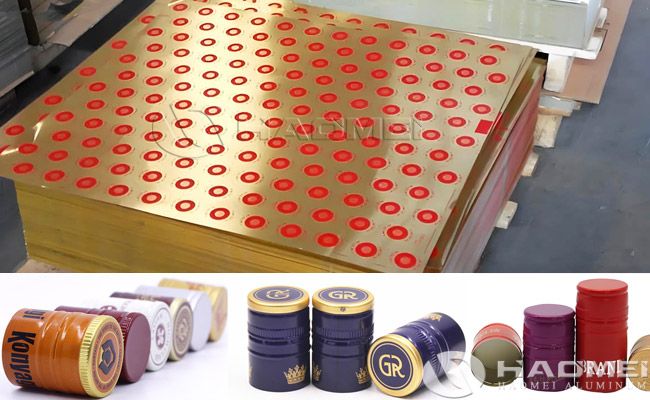
The production of ROPP (Roll-On Pilfer-Proof) closures spans two facilities: the cap manufacturing plant, where aluminum coils are stamped into shells featuring knurling and a perforated tamper-evident band; and the bottling plant, where these shells are roll-formed onto the bottle’s threaded neck. When a consumer opens the bottle, the perforated bridge breaks and the tamper-evident ring detaches, signaling a single-use, secure opening. Because the entire process takes place on high-speed production lines, any issues with the raw material—such as excessive "earing" (uneven edges during stamping), fluctuations in thickness, or surface oil stains—will immediately cause a spike in the scrap rate. 8011-H14 aluminum coil for ROPP closures is a high-quality, compliant material specifically designed for this purpose, and it is widely used to manufacture ROPP caps for the beverage, pharmaceutical, and liquor industries.
The 8011 alloy belongs to the Al-Fe-Si series, containing 0.50%–0.90% silicon and 0.60%–1.00% iron. The ratio of iron to silicon determines the size and distribution of the secondary-phase particles, which in turn directly influences the height of the "ears" (protrusions) that form during the stamping process. The H14 temper—achieved through strain hardening followed by partial annealing—provides an optimal balance of strength and ductility for cap manufacturing. Haomei Aluminum focuses on 8011-H14 as primary alloy of aluminum sheet for ROPP caps, while also offering H16, H24, and 3003-H16 variants, all supplied in coil form.
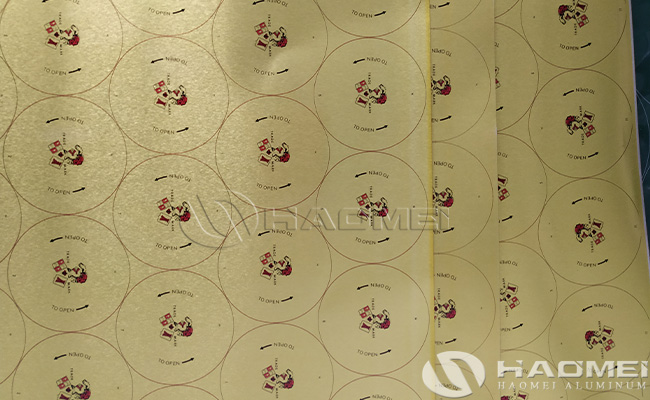
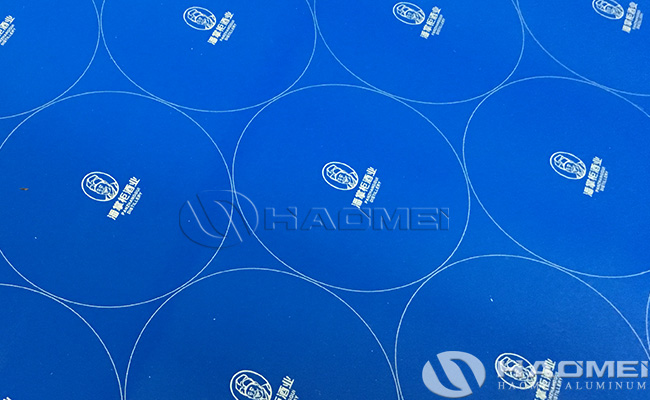
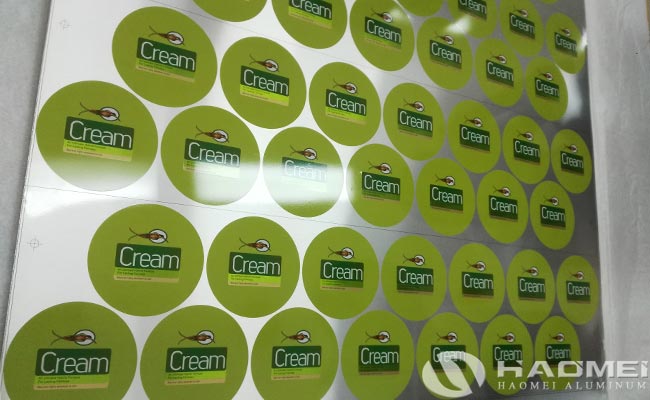
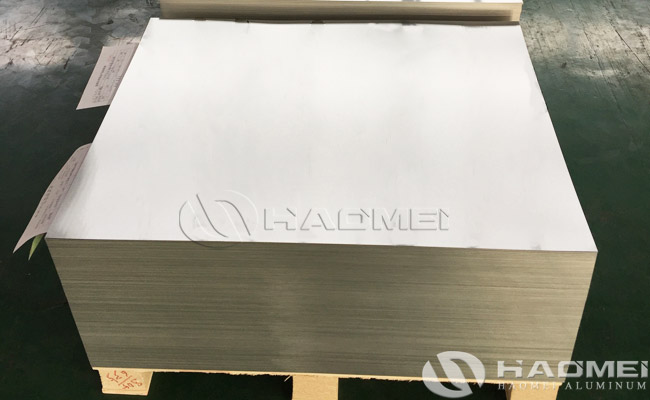
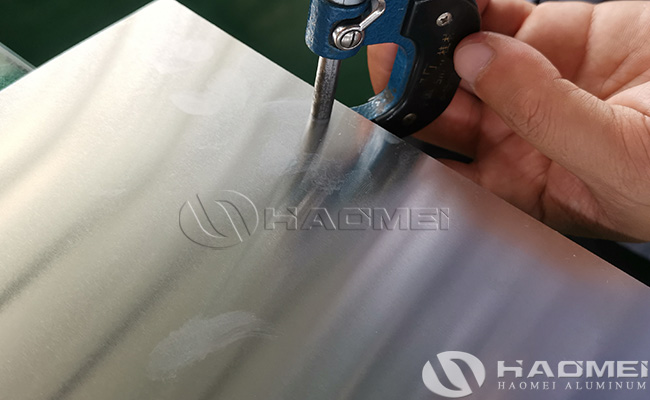
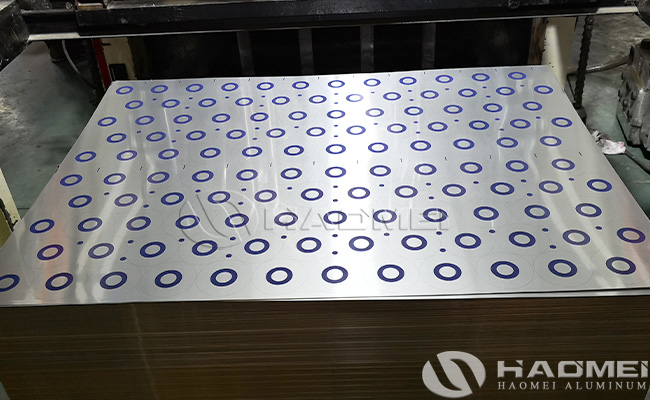
Key specifications of 8011 aluminum sheet for ROPP closures include: a thickness of 0.15–0.27 mm (with 0.20–0.23 mm being the most common range for ROPP closures); a width tailored to specific layout requirements (typically 449–796 mm); and an inner coil diameter of 150 mm (with 300 mm available upon request). Thickness tolerance is ±0.005 mm, and width tolerance is ±1 mm. Mechanical properties include a tensile strength of 125–165 MPa, a yield strength of ≥110 MPa, an elongation of ≥2%, and an "earing" rate of ≤3%. The surface finish options include degreased (oil-free) material—with a surface energy (dyne level) of ≥38, making it suitable for color printing and coating—as well as pre-coated material.
On high-speed production lines, ROPP (Roll-On Pilfer-Proof) closures undergo a multi-step process—deep drawing into a cup shape, knurling, thread rolling, and necking/flanging—all in a single pass. If the material lacks sufficient rigidity, the closure may collapse; if it lacks sufficient plasticity, it may crack. A tensile strength of 125–165 MPa ensures the integrity of the pilfer-proof band while allowing for a comfortable manual opening torque of 0.5–2.5 N·m for consumers. An elongation of ≥2% prevents cracking in the cup walls, while an earing ratio of ≤3% ensures high material utilization. Furthermore, the material must exhibit controlled strength degradation after a 210°C baking test—a critical requirement for subsequent sterilization and the curing of printed coatings.
Two Cases of 8011 H14 aluminum coil for ROPP closures:
Long-neck closures for liquor: Yield increased to 99.5%. A closure manufacturer in Russia, supplying long-neck caps for a whisky brand, switched to 8011-H14 hot-rolled aluminum alloy (0.23 mm thick) with an earing ratio consistently below 2%. This change boosted the stamping yield from 97% to 99.5%. The 75 mm deep-drawn cups showed no "orange peel" effect, and the production line experienced zero downtime due to material-related issues for three consecutive months.
Export-grade wine closures: Reliable printing and sealing. A client producing closures for wine exported to Europe faced stringent requirements regarding coating adhesion and seal integrity during long-distance transport—particularly given the acidic nature of the wine. We supplied 0.21 mm degreased aluminum stock with a surface energy (dyne level) of ≥38. Following the client’s color-printing process, the coating achieved a 5B adhesion rating. Even after undergoing simulated transport vibration and thermal cycling (high and low-temperature exposure), the opening torque remained stable at 1.2–2.0 N·m, the pilfer-proof band fractured cleanly upon opening, and there were zero leakage complaints throughout the year.