Aluminium Sheet For Wine Bottle ROPP Caps
The core difference between ROPP (Roll-on Tamper-evident Cap) and ordinary pre-made stamped bottle caps is that the final forming is not completed in the cap manufacturing plant, but rather the threads and tamper-evident rings are rolled onto the bottle during the wine bottling line. This "semi-finished product delivery, final forming" characteristic places stringent requirements on the consistency, plasticity stability, and surface quality of the aluminum sheet throughout the entire process. Haomei Aluminum has deep expertise in the ROPP cap substrate field, optimizing material properties for the four core processes of cap stamping, thread rolling, printing, and storage and transportation, providing global wine packaging customers with end-to-end aluminum solutions.
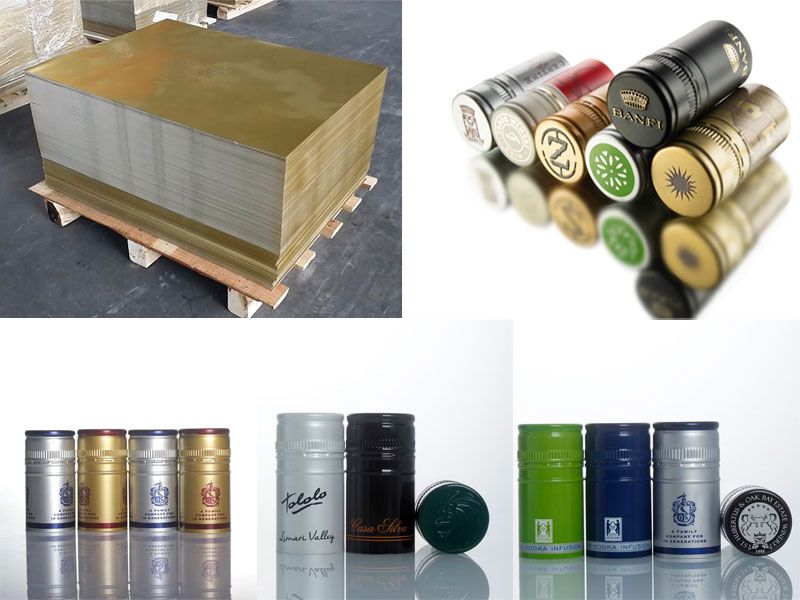
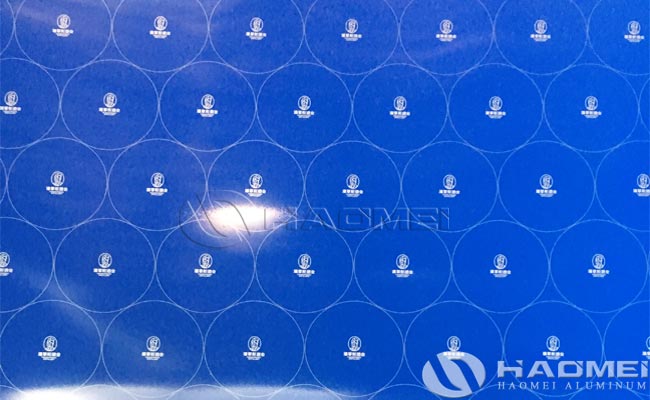
The yield rate of the cap stamping and stretching process depends on thickness accuracy and ear control. The first process of ROPP caps is round sheet stamping and cup body stretching; the uniformity of material thickness directly determines the consistency of the stretching height. Aluminium sheet for ROPP wine caps use 8011-H14 and 3105-H24 alloys as our core base materials, strictly controlling the thickness tolerance within ±0.005mm, with a thickness deviation of ≤0.003mm between the beginning and end of the same roll. Through directional grain rolling technology, we stably maintain the ear-making rate below 1.8%, and the edge uniformity deviation of the stretched cup body is <0.1mm, eliminating common problems such as tensile cracking and cup rim height differences from the source. The overall yield rate of single-shift cap punching can reach over 99.6%, and it is compatible with high-speed multi-station punching production lines of 800-1200 times/minute.
The reliability of the thread rolling sealing process is determined by the plasticity uniformity and torque stability. Thread rolling on the filling line is the most critical process for ROPP caps; the thread forming quality and the anti-theft bridge torsional torque are directly affected by the material's plasticity uniformity. We employ a multi-stage homogenization annealing process to stably control the grain size of aluminium sheet for wine bottle caps within the 15-25μm range, achieving a grain uniformity ≥90% and yield strength fluctuations within ±10MPa. After rolling, the thread profile is full and without edge collapse, and the anti-theft bridge torsional moment is stably adjusted within the 0.8-1.5N·m range, with a torque deviation of ≤10% within the same batch. This ensures both the integrity of the anti-theft structure during long-distance transportation and a consistent, smooth opening experience for end consumers.
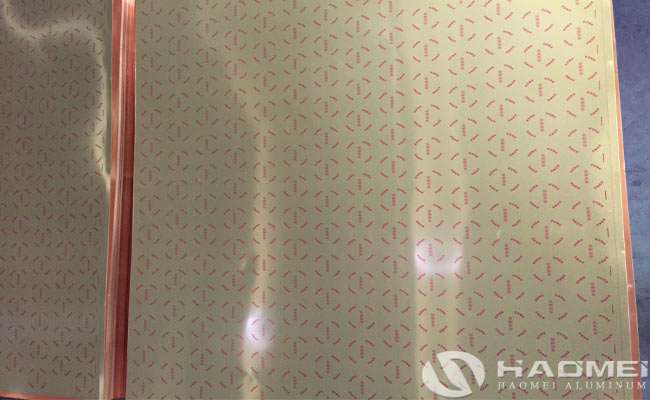
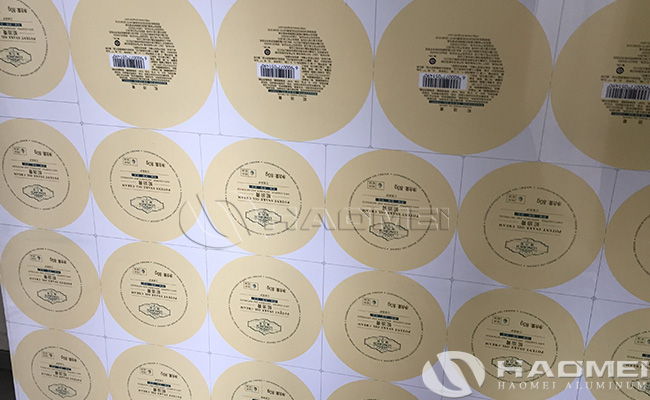
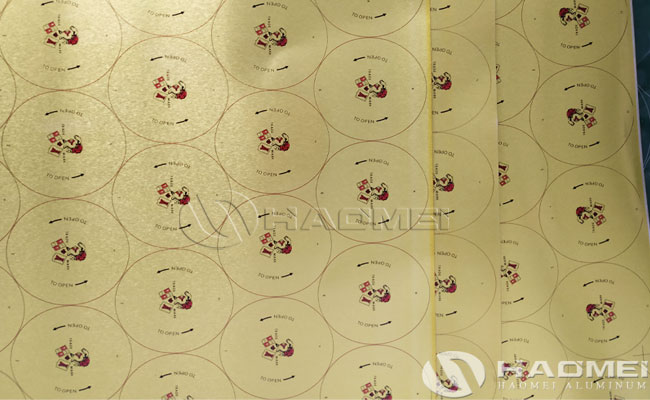
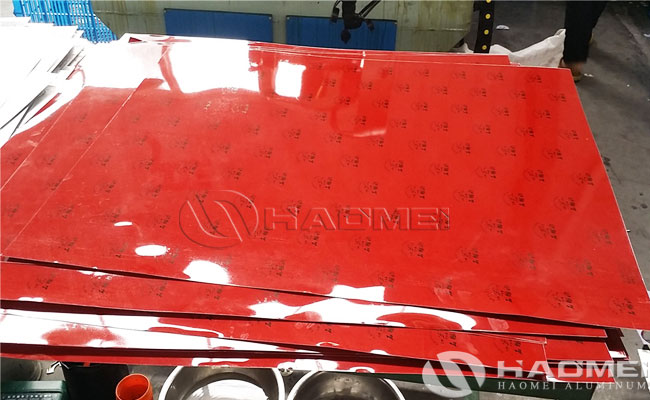
The final effect of the surface printing process depends on the surface quality and coating adhesion. Brand logo printing is the visual core of wine packaging, directly impacting the product's shelf appeal. The surface of aluminum sheet for ROPP caps undergoes multi-stage degreasing and passivation pretreatment, achieving a water-washing grade of A, a surface roughness Ra ≤0.2μm, and is free of visible defects such as pinholes, roller marks, and oil stains. Featuring a food-grade epoxy polyester composite coating, the adhesion reaches level 0 in the cross-cut adhesion test. It shows no peeling or discoloration after 72 hours of immersion in 40% alcohol at room temperature. It is perfectly compatible with various high-end surface treatments such as six-color offset printing, hot stamping, and embossing. The color difference within the same batch is ΔE ≤ 1.5, accurately reproducing every detail of the brand design.
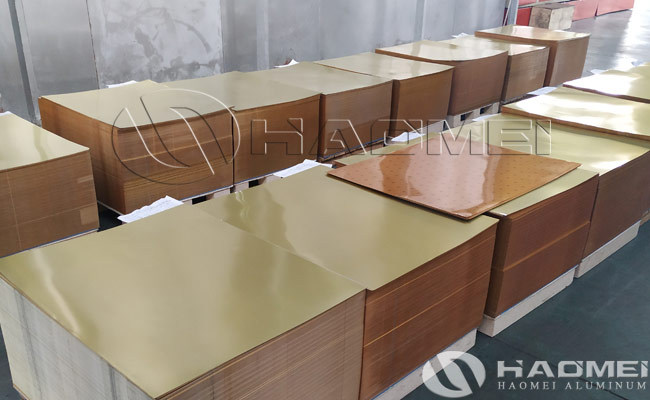
The stability of long-term storage and transportation and cross-border delivery tests weather resistance and compliance systems. The aluminium sheet for ROPP wine caps undergoes a long cycle of warehousing, cross-border transportation, and on-site filling. The product shows no white rust after 72 hours of neutral salt spray testing. Aluminum ion migration meets the US FDA 21CFR and EU DGCCRF food contact material standards, maintaining stable performance within a temperature range of -20℃ to 60℃. We support customized cutting widths according to customer bottle mouth specifications, provide a complete set of multilingual compliance documents and batch traceability reports, and our delivery cycle and sea freight compatibility have been proven by global customers over a long period.
From the first cut on the punch press to the final thread rolling on the filling line, Haomei Aluminum's aluminium sheet for wine bottle ROPP caps are designed with performance margins in every process, helping customers reduce debugging losses, increase yield, and lower quality risks. Currently, the products are widely used in the production of ROPP caps for various categories of products, including spirits, wine, and beverages, serving packaging manufacturers in over thirty countries and regions worldwide.